


 Contents


FOREWORD
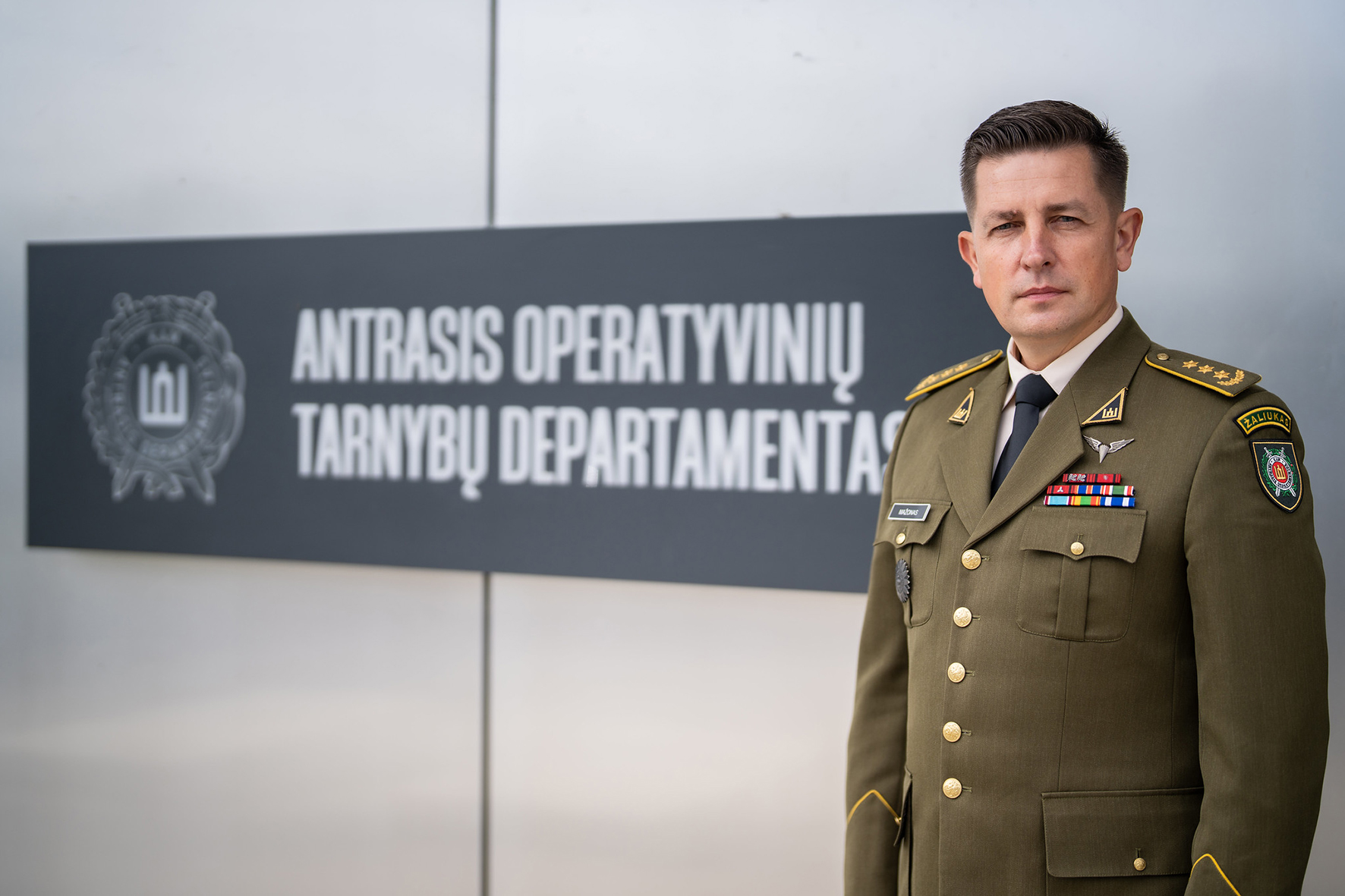
Colonel Mindaugas MAŽONAS
Director of the Defence Intelligence and Security Service under the Ministry of National Defence of Lithuania
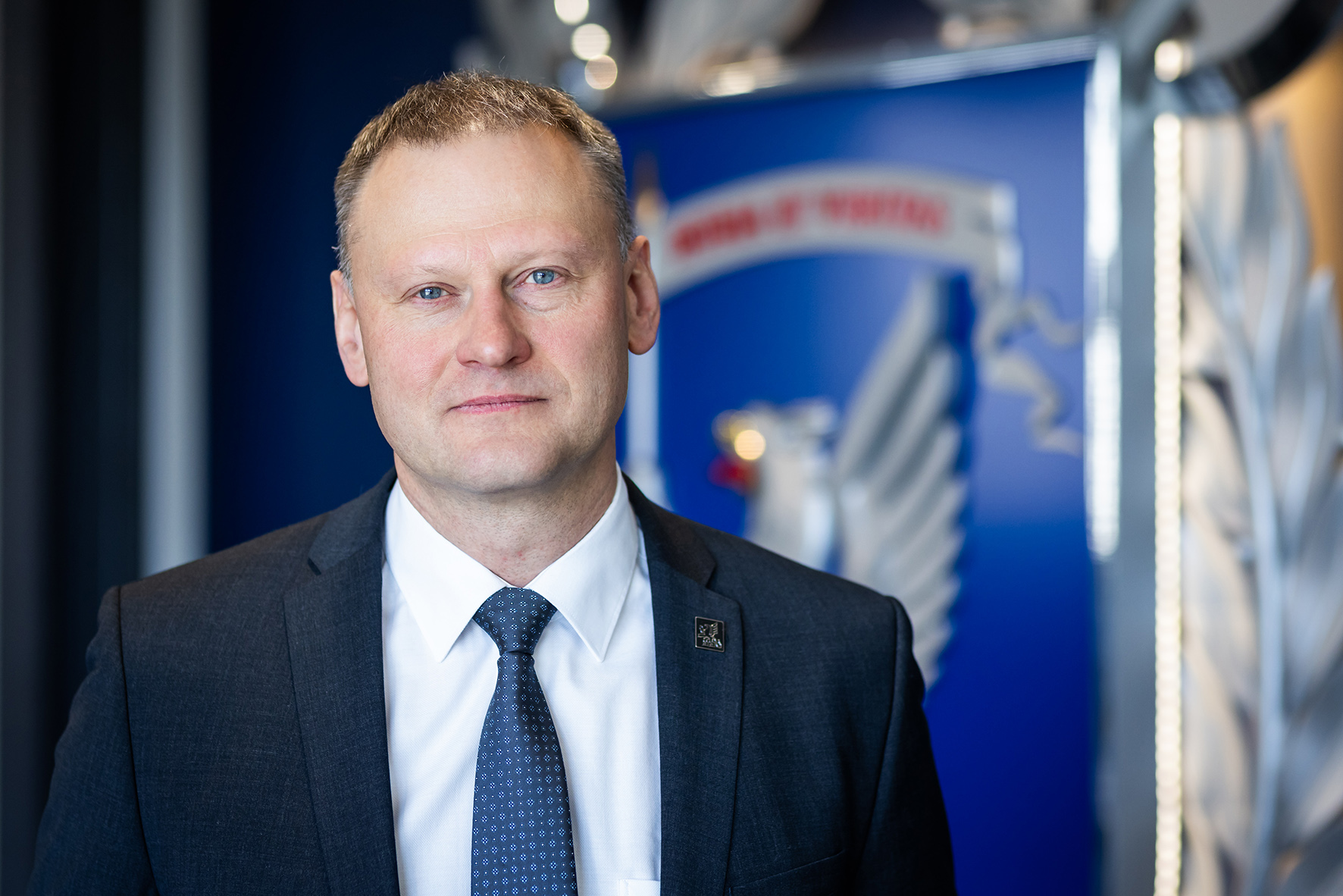
Remigijus BRIDIKIS
Director of the State Security Department of the Republic of Lithuania
We are facing different kinds of threats ranging from the airspace violation by Russian drones and information operations to cyberattacks and the activities of hostile intelligence services. Still, the security of Lithuania highly depends on the actions of our neighbours, and the most important factor is Russia’s long-term determination to increase and, if necessary, use its military power.
Most of Russia’s military capabilities are currently concentrated on the front line in Ukraine. However, Russia is still able to continue implementing its Armed Forces reform and increasing its military capabilities in the Kaliningrad Region and near NATO’s eastern borders.
The Kremlin would like to expand the Russian Armed Forces as fast as possible, but it has to deal with the consequences of the large-scale war against Ukraine, the struggling economy, and the international sanctions. However, the Russian government is determined to pursue its military goals even at the expense of its citizens’ welfare. Increasing taxes and uncontrolled inflation will affect a larger part of the Russian population, who will have to bear the burden of unprecedented military spending.
The conventional military threat to Lithuania is expected to remain low in the near term. However, we must be prepared to address other security challenges. Neighbouring regimes hostile to Lithuania are using unconventional means to influence the minds of our citizens, to create a sense of insecurity, and force us to make decisions that benefit these regimes. The Belarusian regime exploits cigarette smuggling via high-altitude balloons and politically motivated detention of Lithuanian citizens as a means of pressure and intimidation to seek international recognition and reduce restrictions imposed on Belarus.
Moreover, hostile intelligence services continue their operations directed against Lithuania. As their actions on our territory are restricted, hostile intelligence services are trying to recruit our citizens who travel abroad. Anyone, even those without access to classified information, can become their target, so Lithuanian intelligence agencies, like other state institutions, urge citizens to remain vigilant and refrain from travelling to Russia and Belarus.
New technologies that fall into the hands of hostile actors can also pose a threat to our national security. We observe a novel trend of using artificial intelligence tools to carry out complex cyberattacks against crucial Lithuanian institutions.
Hostile states are also conducting information operations against Lithuania. Using false narratives and threatening messages, they attempt to spread panic and distrust of state institutions. However, we can thwart the efforts of hostile actors and increase the resilience of society by practising critical thinking, distinguishing facts from false information, and taking an active interest in security issues.
Russia will use the old ‘divide and rule’ method to pursue its imperial ambitions, for instance, by seeking to disrupt the unity of NATO. The antidote to this is consistent dialogue and closer cooperation, which underlines the shared values of the members of the Alliance.
To deter Russia from reckless military aggression against us or other NATO states, we need to continue to develop our defence capabilities and keep strong ties with NATO partners. Every citizen of Lithuania contributes to increasing our defence potential by developing their ability to identify threats and prevent them. We hope that the information prepared by Lithuania’s intelligence community and presented in this assessment will be relevant and useful.


